


Retargeting vs Lookalike Audiences:
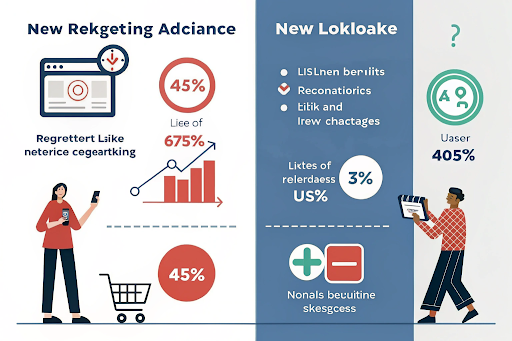
As digital marketing continues to evolve , businesses need to master
advanced targeting techniques to maximize their advertising ROI . At our digital marketing course in
Lucknow , we frequently discuss two powerful targeting strategies : retargeting and lookalike audiences .
Let's dive deep into understanding these approaches and how they can transform your marketing campaigns .
Understanding Retargeting
Retargeting (also known as remarketing) is a digital advertising strategy that focuses on users who have already interacted with your brand. These are people who have:
- Visited your website
- Viewed specific products
- Abandoned shopping carts
- Engaged with your mobile app
- Interacted with your social media content
For example, if someone browses laptops on your electronics website but doesn’t make a purchase, retargeting allows you to show them relevant laptop ads as they browse other websites or social media platforms. This keeps your brand top of mind and often leads to higher conversion rates.
Understanding Lookalike Audiences
Lookalike audiences, on the other hand, help you reach new potential customers who share similar characteristics with your existing customers. This targeting method uses advanced algorithms to analyze your current customer base and find new users with similar:
- Demographics
- Interests
- Online behaviors
- Purchase patterns
- Content consumption habits
If you're a fitness supplement company, for instance, you can create a lookalike audience based on your existing customers to reach new fitness enthusiasts who are likely to be interested in your products.
Key Differences and When to Use Each
Retargeting
- Targets warm leads who already know your brand
- Higher conversion rates but smaller audience size
- Ideal for driving immediate sales and conversions
- More cost-effective in the short term
- Perfect for abandoned cart recovery and upselling
Lookalike Audiences
- Reaches new potential customers
- Larger audience size but potentially lower conversion rates
- Better for brand awareness and market expansion
- Requires more initial testing and optimization
- Excellent for scaling your business
Best Practices for Implementation
Whether you're a student at a digital marketing course in Lucknow or a seasoned marketer, following these best practices is crucial:
For Retargeting:
- Segment your audience based on their behavior
- Create personalized ad content for each segment
- Set appropriate frequency caps to avoid ad fatigue
- Use dynamic product ads when applicable
- Implement burn pixels for converted customers
For Lookalike Audiences:
- Use high-quality source audiences
- Test different audience sizes
- Combine with interest-based targeting
- Regularly update your source data
- Monitor and optimize performance metrics
Integration Strategies
The most effective digital marketing campaigns often combine both approaches:
- Use lookalike audiences to expand your reach
- Implement retargeting to nurture these new prospects
- Create a full-funnel approach to guide users through the buyer's journey
- Analyze data from both strategies to optimize your targeting
- Adjust budgets based on performance metrics
Learning More
For those interested in mastering these advanced targeting techniques, enrolling in a comprehensive digital marketing course in Lucknow can provide hands-on experience with these tools. Professional courses offer practical knowledge about:
- Platform-specific implementation
- Advanced targeting options
- Budget optimization
- Performance analysis
- Campaign management
Both retargeting and lookalike audiences serve essential but different purposes in your digital marketing strategy. While retargeting helps convert warm leads, lookalike audiences help you find new potential customers. Understanding and effectively implementing both strategies can significantly improve your marketing ROI and business growth.
.gif "Coding Clave Academy")