


What is Domain
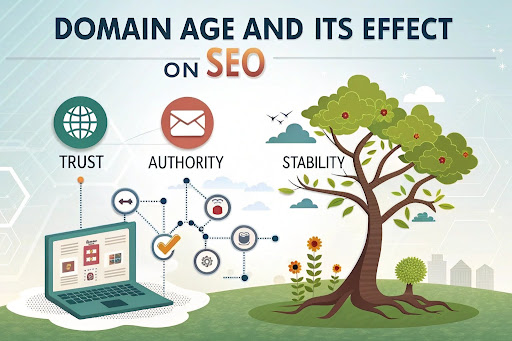
In the world of search engine optimization (SEO), many factors
influence a website's ranking in Google search results. One such factor is domain age—a
measure of how long a website has been in existence. While domain age isn’t the sole
determinant of Google ranking, it plays a crucial role in establishing authority and
credibility.
This article explores what domain age is, its impact on search engine rankings, and how it affects your SEO efforts.
This article explores what domain age is, its impact on search engine rankings, and how it affects your SEO efforts.
What is Domain Age?
Domain age refers to the length of time a domain name has been registered and active. It is often considered a ranking factor by search engines like Google. However, it is important to distinguish between the registration date of a domain and the active website age.
Key points about domain age:
- Older domains tend to have more trust and credibility.
- New domain names may take longer to establish authority.
- Google factors in domain age but prioritizes quality content and backlinks.
- Search engines view aged domains as more stable and reliable.
How to Check Domain Age
You can check a domain's age using tools like:
- Whois Lookup (Whois.net, GoDaddy Whois, etc.)
- Wayback Machine (To check website activity over time)
- SEO software like Ahrefs or SEMrush
Does Domain Age Matter for SEO?
Why Domain Age Matters
Many site owners and bloggers believe that older domains might see quicker improvements in their SEO efforts. This belief stems from the idea that Google uses trust signals, and domain age signals stability.
SEO Benefits of Older Domains:
- More Backlinks: Old domains naturally accumulate backlinks over time.
- Search Engine Trust: Older websites have a longer history and credibility.
- Consistent Traffic: A site that has existed for years may have steady visitor flow.
SEO Disadvantages of New Domains
- Limited Trust: New domains don’t have established credibility.
- Fewer Backlinks: New websites struggle to gain high-quality backlinks.
- Slower Rankings: It takes time for new sites to appear in Google search results.
Imagine domain age like a credit score—the longer and more reliable a domain is, the better its SEO standing.
Domain Age vs. Other SEO Factors
While domain age matters, it is not the most important ranking factor. Google prioritizes other factors such as:
Key SEO Factors Over Domain Age
- Quality Content – Well-written, engaging, and informative content is key.
- Backlinks – High-quality inbound links improve search rankings.
- Technical SEO – Site speed, mobile-friendliness, and secure HTTPS connections.
- User Experience (UX) – Easy navigation, fast loading time, and engaging visuals.
- Strategic SEO Efforts – Keyword optimization, meta tags, and structured data.
Older domains with poor SEO will not outrank new domains with excellent SEO.
Chart: Domain Age vs. SEO Performance
| Domain Age | Trust & Authority | Backlinks | Search Ranking |
|---|---|---|---|
| 0-1 Year | Low | Few | Slow |
| 1-3 Years | Moderate | Growing | Improving |
| 3+ Years | High | Many | Strong |
How to Improve SEO for New Domains
If your domain doesn’t have age on its side, you can still boost your search engine optimization with these steps:
1. Publish Quality Content
- Focus on valuable, informative, and engaging content.
- Use SEO software to research trending topics.
2. Build Strong Backlinks
- Get links from high-authority websites.
- Use guest posting and influencer outreach.
3. Optimize Technical SEO
- Ensure fast page speed.
- Optimize for mobile-friendliness.
4. Engage in Strategic SEO Efforts
- Target long-tail keywords for better ranking.
- Improve on-page SEO (meta tags, headers, structured data).
Domain age matters, but it is not a standalone ranking factor. While older domains may have an edge in search rankings, new domains can still rank high with the right SEO efforts.
If you're working on improving your site's SEO, focus on content quality, backlinks, and technical optimization rather than just relying on domain age.
Looking to Learn More About SEO?
Join a Digital Marketing Course in Lucknow to master the latest SEO strategies!
What is Domain Age?
Domain age refers to the length of time a website has been registered and active. It impacts SEO as older domains often gain authority, trust, and higher rankings in search engines.
.gif "Coding Clave Academy")