


What is
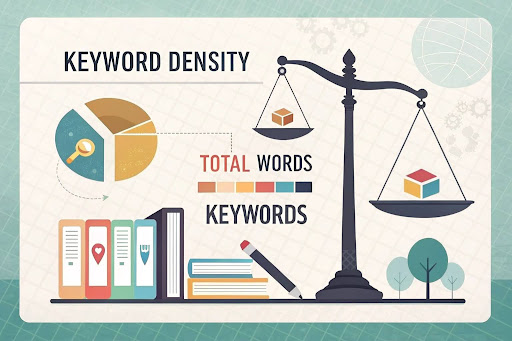
Keyword density is a critical factor in Search Engine Optimization (SEO). It refers to the number of times a specific keyword appears on a webpage compared to the total word count. Maintaining an optimal keyword density ensures that your content is both reader-friendly and search engine-friendly.
In this guide, we will discuss:
- What keyword density is
- Why keyword density matters
- The ideal keyword density for SEO
- How to calculate keyword density
What is Keyword Density?
Keyword density is the ratio of a keyword's occurrence to the total word count of a webpage. It is usually expressed as a percentage. A high keyword density can indicate keyword stuffing, which can negatively impact search rankings. On the other hand, a low keyword density may make it difficult for search engines to understand the topic of the content.
Why Keyword Density Matters
Using an appropriate keyword density can:
- Improve SEO rankings by making it easier for search engines to index the page
- Enhance content relevance to specific search queries
- Avoid penalties for excessive keyword usage (keyword stuffing)
- Improve user experience by ensuring natural readability
The Ideal Keyword Density for SEO
The ideal keyword density varies, but SEO experts suggest keeping it between 1% to 2% of the total content.
Factors Affecting Keyword Density
- Word Length: Longer content can accommodate more keywords without overstuffing.
- Term Frequency (TF): The number of times a term appears in a document.
- Term Frequency-Inverse Document Frequency (TF-IDF): Measures keyword relevance compared to other words in a document.
- Keyword Variants: Using semantic keywords and keyword variants can balance keyword density.
Keyword Density Tools
Several online keyword density tools can help analyze keyword frequency:
- SEObook Keyword Density Checker
- Yoast SEO Plugin
- Small SEO Tools Keyword Density Checker
- Moz Keyword Explorer
- Google Keyword Planner
Common Mistakes in Keyword Density Optimization
1. Keyword Stuffing
Overloading a page with the same keyword disrupts readability and hurts SEO rankings.
2. Ignoring Keyword Variants
Using semantic keywords and related keywords can improve content flow.
3. Focusing Only on Keyword Count
Search engines consider content quality, engagement, and relevance rather than just keyword repetition.
Best Practices for Keyword Density Optimization
- Use keywords naturally without forcing them.
- Include LSI keywords to enhance topic relevance.
- Use primary keywords in strategic places: title, meta description, headings, and first 100 words.
- Avoid overly-dense keyword distribution to maintain a smooth reading experience.
- Leverage keyword research tools to find the right balance.
Understanding keyword density is essential for SEO success. By maintaining an optimal keyword ratio, using related keywords, and avoiding keyword stuffing, you can improve search rankings and enhance user experience. Enrolling in a digital marketing course in Lucknow can help you master SEO techniques. Use SEO tools to check current keyword density and refine your keyword strategy for better results.
.gif "Coding Clave Academy")