


What is
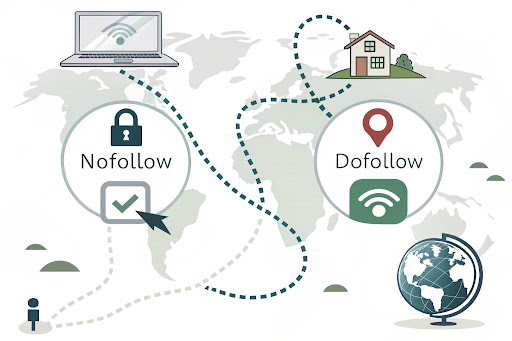
In the world of SEO, NoFollow and DoFollow links play a crucial role in determining a website’s authority, ranking, and credibility. Understanding these link attributes is essential for effective target="blanklink-building strategies and optimizing your website’s search engine performance.
What Are DoFollow and NoFollow Links?
Links help search engines understand the relationship between web pages. By default, all links are DoFollow, passing link equity (or "link juice") to the target website. However, NoFollow links contain a special attribute that prevents search engines from following them.
DoFollow Links
- A DoFollow link allows search engines to pass authority from one page to another.
- These links help improve search rankings and domain authority.
- Examples include:
- Editorial links in blog posts
- Natural backlinks from authoritative sites
- Links from guest posts
NoFollow Links
- A NoFollow link contains the
rel="nofollow"attribute, telling search engines not to pass link equity. - These links do not directly impact a website’s ranking but are still useful for traffic generation.
- Common examples include:
- Links in blog comments
- Sponsored links
- Social media links
NoFollow vs DoFollow Links: Key Differences
| Feature | DoFollow Link | NoFollow Link |
|---|---|---|
| Passes SEO Value | ✅ Yes | ❌ No |
| Helps in Ranking | ✅ Yes | ❌ No |
| Used in Backlinking | ✅ Yes | ✅ Yes |
How NoFollow & DoFollow Links Impact SEO
Advantages of DoFollow Links
- Helps improve domain authority.
- Boosts organic ranking in search engines.
- Enhances overall SEO value of a webpage.
Advantages of NoFollow Links
- Prevents passing link equity to low-quality sites.
- Helps control outbound links and manage link distribution.
- Maintains a natural backlink profile, as excessive DoFollow links may look manipulative.
When to Use NoFollow and DoFollow Links?
When to Use DoFollow Links
- When linking to trusted, high-authority sites.
- While performing guest posting and earning natural backlinks.
- When building backlinks through editorial content.
When to Use NoFollow Links
- For sponsored links and advertisements (
rel="sponsored"). - For user-generated content (UGC) such as forums and blog comments (
rel="ugc"). - When linking to untrusted or spammy sites to avoid penalties.
The Role of NoFollow & DoFollow Links in Link-Building
Backlinks are an essential part of SEO strategies. A well-balanced backlink profile consists of both DoFollow and NoFollow links, ensuring a natural and diverse link structure. Here’s how they contribute to link-building:
- DoFollow links help in ranking by passing authority.
- NoFollow links drive traffic and diversify the backlink profile.
- A mix of both links prevents Google penalties and ensures organic SEO growth.
Final Thoughts
Both NoFollow and DoFollow links play essential roles in an effective SEO strategy. While DoFollow links boost search engine rankings, NoFollow links help in managing outbound links and preventing spam. A well-optimized backlink strategy ensures improved credibility, traffic, and domain authority. For a deeper understanding of SEO and link-building strategies, enroll in a digital marketing course in Lucknow and master the art of search engine optimization.
.gif "Coding Clave Academy")